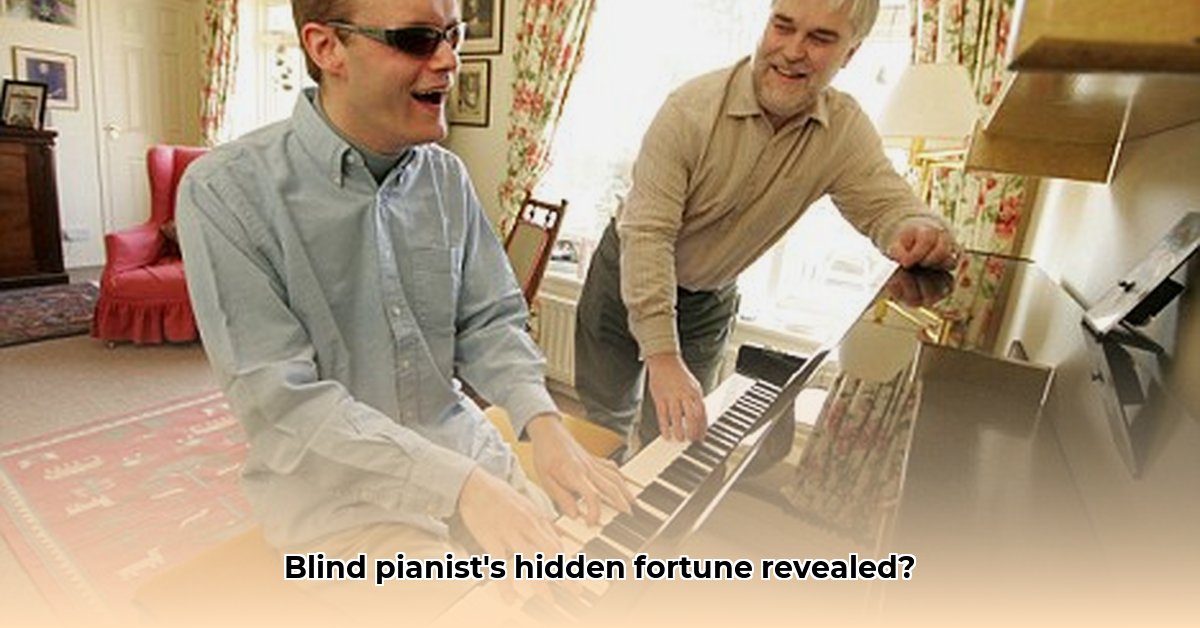
The world marvels at Derek Paravicini, the blind pianist who flawlessly recreates any musical piece after hearing it just once. His extraordinary talent, however, is interwoven with the complexities of living with autism and the intricacies of legal guardianship. While a precise figure for his net worth remains elusive – a common challenge for individuals under guardianship – his story reveals crucial questions about supporting artists with extraordinary abilities and disabilities. This isn't just about money; it's about a life lived at the intersection of genius, vulnerability, and the need for a more just system.
The Enigma of His Finances
Determining Derek Paravicini's net worth proves surprisingly difficult. Public records offer no such information. This lack of transparency is typical for individuals under legal guardianship, highlighting the inherent challenges in managing the finances of those with both exceptional abilities and profound disabilities. While we can't assign a specific numerical value to his wealth, exploring the financial landscape surrounding his career illuminates the ethical dilemmas involved. How can we balance safeguarding his well-being with the responsible management of his substantial earnings? This isn’t just Derek’s story; it's a reflection of systemic issues impacting numerous talented individuals.
Guardianship: A Double-Edged Sword
Derek's life has been profoundly shaped by his legal guardianship. The unusual level of public attention on his case shines a light on the inherent difficulties of balancing his well-being with the responsible management of his considerable income. This raises critical questions: How do we ensure his best care while simultaneously protecting his artistic independence and celebrating his creative freedom? The answers are complex, extending beyond Derek’s unique circumstances and underscoring the need for more thoughtful legal and financial systems designed to better protect gifted individuals with significant disabilities. Isn't it vital that we create a framework that respects both human dignity and exceptional talent?
The Financial Landscape of a Musical Genius
Though precise figures remain unavailable, Derek Paravicini's extraordinary talent undoubtedly generates significant income. This likely includes royalties, concert fees, and potentially endorsement deals. However, managing these funds under his legal guardianship presents unique challenges. Complete transparency and strict accountability are essential to ensuring his resources support his needs and artistic endeavors. It's a delicate balance—protecting his financial well-being while nurturing his artistic freedom. How can we ensure that the system designed to protect him doesn’t inadvertently stifle his creativity and potential?
Navigating Legal and Ethical Challenges
Derek Paravicini's situation prompts crucial questions about guardianship and the financial management of individuals with disabilities. Some experts believe that current legal frameworks fail to adequately address the needs of highly talented individuals. The ongoing debate centers on balancing the protection of a vulnerable person with the recognition of their artistic talents and the right to manage their finances. Perhaps future legal reforms are needed to better represent the interests of individuals with both extraordinary gifts and significant disabilities. Is the current system truly equipped to handle the complexities of these cases?
Broader Societal Implications
Derek Paravicini's story transcends the mere question of his net worth. It compels us to examine how society protects and nurtures the artistic potential of individuals with exceptional abilities and profound disabilities. This case serves as a powerful call for systemic improvements in legal frameworks and industry practices. His inspirational journey underscores the urgent need for significant change. How can we build a system that truly reflects this reality and adequately supports individuals like Derek?
Key Takeaways:
- Derek Paravicini’s case highlights the complex financial management needed for autistic savant musicians.
- The lack of public financial data underscores the need for a narrative approach focusing on the ethical and legal challenges.
- His story emphasizes the vital role of mentorship in supporting autistic savant musicians both artistically and financially.
This compelling narrative, while not providing a precise net worth, illuminates the vital need for systemic changes safeguarding the rights and artistic futures of talented individuals with disabilities. Derek Paravicini's remarkable story serves as a powerful reminder of the intricate intersection of extraordinary abilities, profound needs, and the persistent quest for equitable treatment. It is a story that demands our attention and action.